
Esports has transformed from small competitive gaming events into a global industry worth billions of dollars. What once began as casual competitions among friends has now become a professional ecosystem with international tournaments, sponsorships, and millions of fans worldwide. Understanding the evolution of esports helps us see how gaming culture, technology, and entertainment have grown together over time.
🎮 The Past: Origins of Competitive Gaming
The roots of esports trace back to the early days of video games in the 1970s and 1980s. One of the first recorded gaming competitions was held in 1972 at Stanford University for the game Spacewar. During the 1980s and 1990s, arcade games and home consoles introduced competitive titles such as Street Fighter, Mortal Kombat, and Quake.
Key characteristics of early esports:
- Local and small-scale tournaments
- Limited audiences and media coverage
- No professional players or salaries
- Community-driven competitions
The rise of the internet in the late 1990s played a crucial role in connecting players globally and laying the foundation for modern esports.
https://fun1.webnewsarticle.com/
🌍 The Present: Esports as a Global Industry
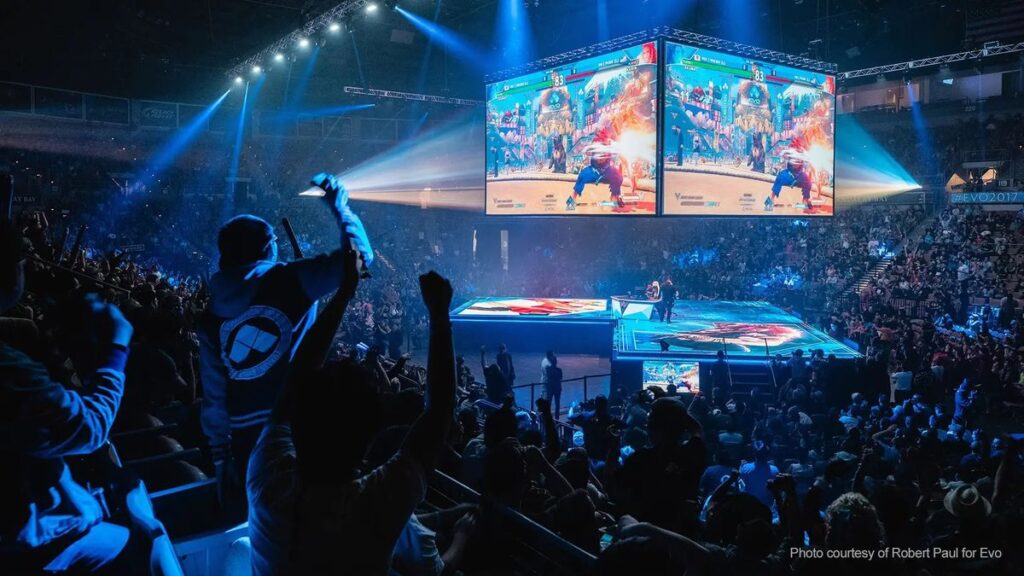
Today, esports is a fully developed global industry with professional players, teams, leagues, and large-scale events. Popular games like League of Legends, Counter-Strike, Dota 2, Valorant, and Fortnite dominate the competitive scene. Major tournaments now fill stadiums and attract millions of online viewers.
Modern esports features:
- Professional teams and player contracts
- Live streaming on platforms like Twitch and YouTube
- Corporate sponsorships and advertising
- Multi-million-dollar prize pools
Esports is also recognized by educational institutions, with universities offering scholarships and programs for competitive gaming.
💼 Economic and Cultural Impact of Esports
Esports has significantly influenced both the gaming industry and global youth culture. It has created new career opportunities such as professional players, streamers, coaches, analysts, event managers, and content creators.
Cultural and economic contributions include:
- Job creation in gaming and media
- Growth of gaming communities
- Mainstream acceptance of gaming as entertainment
- Increased investment from global brands
Esports has become more than competition—it is now a lifestyle and a form of digital entertainment.
🚀 The Future: What Lies Ahead for Esports
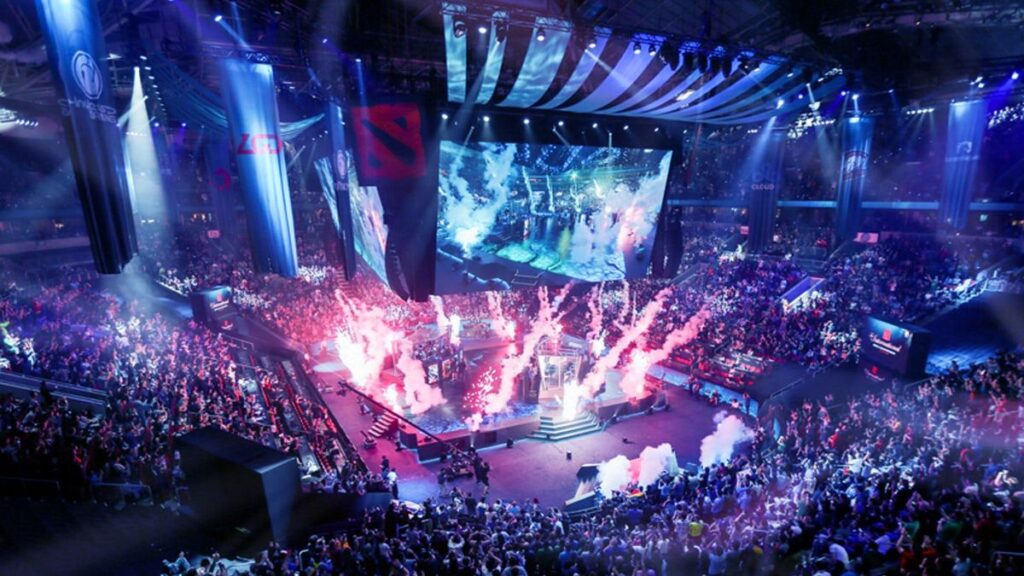
The future of esports looks highly promising as technology continues to evolve. Advancements in artificial intelligence, virtual reality, and cloud gaming are expected to enhance player experiences and audience engagement. Mobile esports is also rapidly growing, especially in developing regions.
Future trends in esports may include:
- Greater mobile and cross-platform competitions
- Virtual and augmented reality tournaments
- Stronger regulation and player protection
- Increased inclusion of women and diverse players
As esports becomes more structured and regulated, it may reach the same level of recognition as traditional sports.
📱 Role of Technology and Streaming Platforms
Technology has played a major role in the rapid growth of esports. High-speed internet, advanced gaming hardware, and powerful game engines have made competitive gaming smoother and more accessible. Streaming platforms such as Twitch, YouTube Gaming, and Kick have allowed fans to watch live tournaments, follow professional players, and engage with esports content in real time. These platforms have turned esports into a spectator sport, connecting players and audiences across the world and significantly increasing global viewership.
🧑🎓 Education, Training, and Player Development
As esports becomes more professional, structured training and education have become essential. Professional players now follow strict practice schedules, physical fitness routines, and mental coaching programs similar to traditional athletes. Many universities and colleges offer esports programs, degrees, and scholarships, helping students develop skills in competitive gaming, game design, and esports management. This focus on education and player development is shaping a more sustainable and respected future for the esports industry.
https://www.britannica.com/sports/esports?utm_source=chatgpt.com
🧠 Conclusion
The evolution of esports—from small gaming competitions to a global professional industry—shows how digital entertainment has reshaped modern culture. With strong community support, technological innovation, and growing investment, esports continues to expand its influence worldwide. The future promises even greater opportunities, making esports a lasting and powerful force in the gaming world.